Most people start Pinterest thinking growth will happen quickly.
They create a fresh account, upload a few pins, add keywords into titles and descriptions, and then wait for impressions to appear. And honestly, that expectation makes sense because a lot of online advice makes Pinterest sound simple.
But new Pinterest accounts usually behave very differently from older accounts with established history.
In the beginning, Pinterest is still trying to understand what your account is actually about. The platform studies your content patterns, publishing consistency, engagement quality, and even how users interact with your pins after clicking them.
That process takes time.
And one thing I personally noticed while observing newer Pinterest accounts is that many creators quit during the exact phase where Pinterest is still collecting behavioral signals. They assume their content is failing when the platform simply has not gathered enough trust around the account yet.
That misunderstanding causes a lot of unnecessary frustration.
Pinterest SEO Is Not Only About Keywords
A lot of beginners approach Pinterest SEO the same way they approach traditional search engines.
They focus heavily on adding keywords everywhere possible: * inside titles, * descriptions, * board names, * and hashtags.
Keywords absolutely matter on Pinterest. There is no doubt about that.
But Pinterest today behaves much more like a discovery engine mixed with user-behavior analysis rather than a simple keyword-based platform.
The platform constantly studies how people react to content.
For example: * when a pin appears in someone’s feed, do they pause for a second or scroll past immediately? * Do they save it? * Do they click it? * And after clicking, do they stay engaged with the content or leave quickly?
These signals help Pinterest understand whether users genuinely find the content useful.
This is one reason why two pins targeting similar keywords can perform completely differently.
One may disappear after a few impressions. Another may continue generating traffic for weeks or even months.
And surprisingly, the difference is often not keyword placement alone. Sometimes the stronger-performing pin simply creates a clearer connection between user expectation and actual content value.
New Accounts Usually Receive Limited Distribution First
One thing that confuses many beginners is inconsistent reach.
Some pins receive almost no impressions. Others suddenly gain temporary visibility and then slow down again.
This usually feels random in the beginning.
But after spending time studying Pinterest behavior, it becomes obvious that newer accounts often go through a testing phase.
Pinterest behaves cautiously with fresh accounts because the platform still lacks historical data. It does not fully know: * whether your content quality remains consistent, * whether users engage positively with your pins, * or whether your niche focus stays stable over time.
So instead of pushing content aggressively, Pinterest often distributes pins gradually to smaller audiences first.
If engagement signals remain healthy, reach may expand slowly. If users ignore the content, visibility quickly drops.
This is why many people wrongly believe Pinterest SEO is broken for new accounts. In reality, the platform is simply evaluating the account carefully before increasing distribution.
Pinterest Tries to Understand Topical Consistency
One of the biggest mistakes newer creators make is posting too many unrelated topics at the same time.
For example, an account may upload: * business content, * recipes, * fitness graphics, * travel photography, * motivational quotes, * and productivity tips
all within a few days.
From a human perspective, that may not seem like a serious issue. But algorithmically, the account becomes difficult to categorize.
Pinterest performs much better when content themes remain connected over time.
This does not mean every pin must target the exact same keyword repeatedly. But overall topical direction matters much more than many beginners realize.
One thing I noticed with stronger Pinterest accounts is that their content usually feels connected even when individual posts are slightly different. The platform can clearly understand the audience being targeted.
And once Pinterest understands that relationship properly, content distribution often becomes much more stable.
Pinterest SEO Today Feels Much More Human-Focused
A few years ago, many Pinterest strategies relied heavily on keyword repetition and aggressive optimization.
That style is becoming less effective now.
Pinterest has improved significantly at understanding contextual relevance and user satisfaction.
Because of this, overly robotic optimization often performs worse long term.
For example, titles stuffed with repetitive keywords may technically look optimized, but they usually feel unnatural to users.
And honestly, users notice that immediately.
Cleaner titles with natural phrasing often perform better because they create curiosity without looking manipulated.
There is a noticeable difference between: * “Pinterest SEO Tips Pinterest Growth Pinterest Strategy” * and: “How Pinterest SEO Actually Works for New Accounts.”
The second feels more human, more specific, and more trustworthy. That difference matters more than many creators expect.
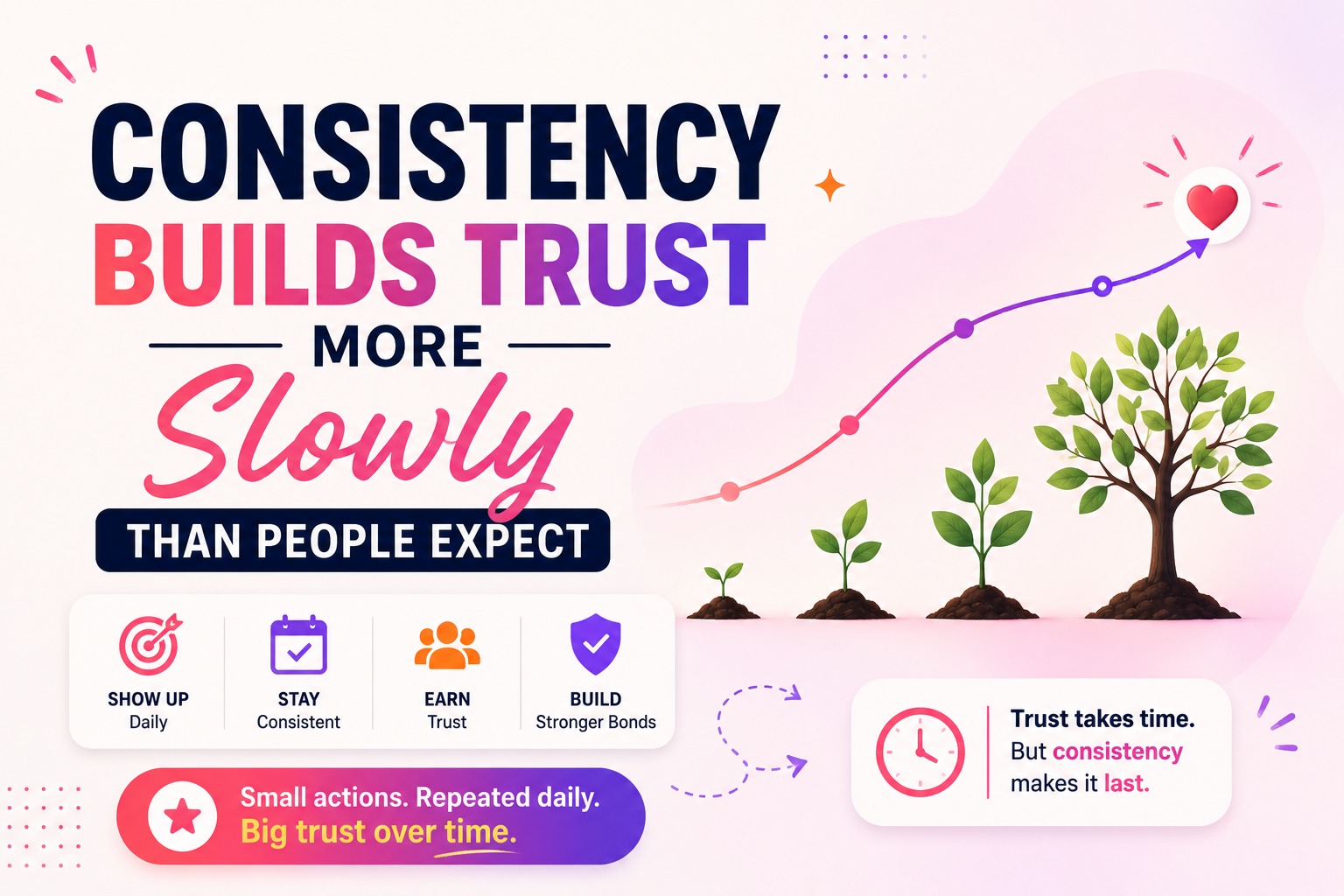
Consistency Builds Trust More Slowly Than People Expect
One thing that surprised me while analyzing Pinterest growth patterns is how delayed momentum often feels.
A lot of creators expect immediate results after publishing content for a few days.
But Pinterest growth usually compounds gradually. Sometimes older pins begin performing weeks later after the platform gathers enough engagement data around the account.
This delayed behavior is extremely common.
And honestly, inconsistent activity damages many new accounts more than poor design does.
Someone may upload: * 20 pins in one week, * then disappear for an entire month.
From Pinterest’s perspective, that creates unstable signals.
The platform generally prefers accounts that behave consistently because predictable activity helps build trust over time.
This does not mean creators need to publish constantly every single day. But regular activity helps Pinterest: * understand audience behavior, * collect engagement patterns, * and improve confidence in account quality.
And once enough trust develops, visibility often becomes much more stable than it was during the early stages.
The Relationship Between Pins and Landing Pages Matters
Many people focus entirely on pin design while ignoring what happens after the click.
But Pinterest studies user satisfaction beyond the pin itself.
If a pin creates strong curiosity but the landing page feels weak, misleading, slow, or disconnected from the topic, engagement quality usually drops.
And Pinterest notices those patterns surprisingly well.
This is one reason why misleading clickbait rarely sustains long-term reach anymore.
The strongest-performing Pinterest content usually creates alignment between: * the visual, * the title, * the topic, * and the actual page experience.
When users feel that the content genuinely matches what the pin promised, satisfaction signals improve naturally. And over time, those small behavior patterns matter a lot.
Pinterest Growth Rarely Feels Linear
One of the hardest parts about Pinterest for beginners is that growth often feels unpredictable.
Sometimes a pin performs immediately. Sometimes nothing happens for weeks. And sometimes older content suddenly starts gaining impressions much later.
That inconsistency frustrates many people early on.
But Pinterest behaves much more like a long-term search platform than a fast-moving social media app.
And once you understand that, the platform starts making much more sense.
The accounts that usually grow sustainably are not always the ones posting the highest number of pins.
In many cases, they are simply the accounts that: * remain consistent, * stay topically focused, * create useful content, * and continue improving gradually without constantly changing direction.
Final Thoughts
Pinterest SEO for new accounts is not simply about adding keywords or publishing more pins.
The platform is constantly trying to understand: * what your account focuses on, * how users react to your content, * whether your niche remains consistent, * and whether people genuinely find your pins useful over time.
That process takes longer than most beginners expect.
And honestly, many accounts fail not because the content is terrible, but because creators stop too early before Pinterest gathers enough behavioral signals around the account.
The creators who usually succeed are not always the ones chasing viral tricks. More often, they are the ones building consistency, topical clarity, and trust slowly enough for Pinterest to confidently understand the value of their content over time.